



 22/10/2025
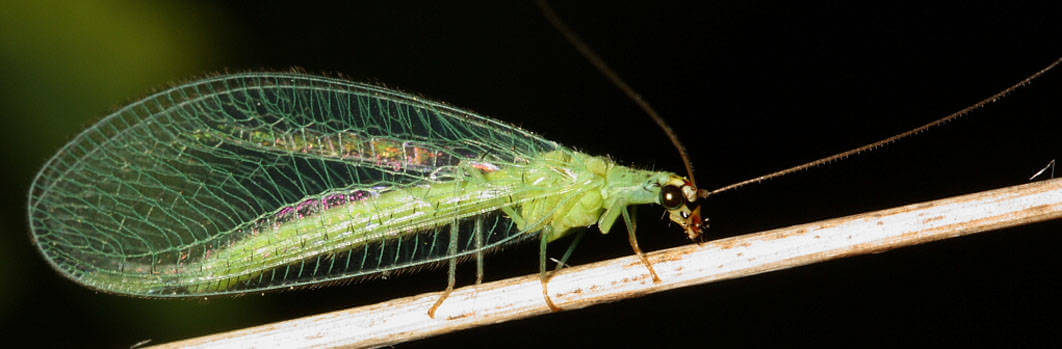
Danger lurks in a backyard garden. Aphids, cutworms, mealybugs and other pests are preying on your flowers and veggies. Who’s a gardener going to turn to for help? Forget nasty, expensive chemicals. Enlist the aid of “good bugs” (beneficial insects) that will battle and help control pest outbreaks and won’t even ask for a thank you, let alone a pay check.
Gardeners turn to biological control (PDF) for help and to reduce or eliminate the need for chemical pesticides. These insects are the natural enemies of garden pests. That’s great news for growers because it means there is an effective, non-toxic approach for solving your bug blues. But the benefits don’t stop there!
Beneficial insects feast on aphids, mites, caterpillars and other plant-consuming bugs and are harmless to people, plants and pets. For best results, release beneficial insects at the first sign of a problem. If pest populations are high, use the least-toxic, short-lived natural pesticide — Insecticidal Soaps, Horticultural Oils, Botanical Insecticides — to establish control before releasing predators/parasites.
Ladybugs, or lady beetles (Hippodamia convergens) are the best known garden predators available. Both the adult and their dark gray and orange marked larvae feed on aphids (40-50 per day) and a wide variety of other soft-bodied pests, mites and insect eggs.
Release biocontrols, both as a preventative and as a control measure. Also, attract natural predators to your garden by planting a row or border of “insectary plants.” Fennel, calendula, coriander, dill, and cosmos are all considered good plants for attracting beneficials.