Weekly Download #3
AI is breaking boundaries – in courtrooms, hospital wards, and […]
Search
AI is breaking boundaries – in courtrooms, hospital wards, and even petri dishes. From an £800M legal tech mega-deal to the NHS’s new AI watchdog and a brain-computer made with real neurons, this week’s headlines prove the future is not just digital – it’s alive.
In this edition:
🖥️ Clio Seals the Deal: Oakley’s Legaltech vLex Marks a Verdict Worth £800 Million
🏥 UK Launches World-First AI System to Spot NHS Patient Safety Risks Early
🧠 Brain Meets Byte: The World’s First Human–Neuron Computer
Clio Seals the Deal: Oakley’s Legaltech vLex Marks a Verdict Worth £800 Million
British private equity firm Oakley Capital has announced the sale of its legal technology platform, vLex, to Canadian legal software provider Clio in a deal valued at $1 billion (£800 million). This acquisition marks Clio’s most significant to date and underscores the growing influence of artificial intelligence in the legal services sector.
Founded in 2008, Clio serves over 200,000 legal professionals globally with its comprehensive legal operating system. The integration of vLex, a Spanish start-up renowned for its AI-powered legal research capabilities, is expected to enhance Clio’s offerings, particularly in the realm of legal intelligence.
Oakley Capital, through its Origin Fund, has been a key backer of vLex. The firm, along with the Faus brothers, who co-founded vLex, will partially reinvest in the combined entity to capture long-term growth potential.
This strategic merger positions Clio at the forefront of the legal tech industry, combining practice management with advanced AI research tools to meet the evolving needs of legal professionals worldwide.
🔴 Ownership and Licensing of AI Algorithms
At the core of this £800 million acquisition is vLex’s exclusive AI-powered legal research technology. Any uncertainties or gaps in intellectual property rights and licensing present a significant risk to the successful integration. Additionally, any undisclosed claims from third parties or unclear rights could result in lengthy legal battles, delay product development, and lessen the value Clio hopes to achieve. Considering the strategic significance of these AI assets, thorough due diligence and strong contractual safeguards are crucial. If ownership of these key AI systems is not established, it could jeopardise the entire transaction.
🟡 Liability of AI and Adherence to Emerging Regulations
The growing dependence on AI-generated legal insights brings about intricate liability concerns that remain largely untested in the legal industry. Potential risks include algorithmic bias, inaccuracies in legal advice, and a lack of transparency, all of which could expose Clio to regulatory penalties, client disputes, or damage to its reputation. The regulatory environment for AI is rapidly changing, with new expectations for explainability and fairness on the horizon. Legal professionals must ensure that vLex’s AI tools are equipped with proper disclaimers, comply with existing regulations, and prepare for future regulatory developments to reduce possible liabilities.
🟢 Compliance with Data Privacy Across Borders
vLex operates in Spain, the UK, and Canada, which requires it to adhere to a range of data privacy laws, including GDPR, the UK Data Protection Act, and Canadian privacy regulations. While these requirements are well-defined, ensuring compliance across different jurisdictions is complex, particularly given the sensitive nature of legal data that AI handles. Legal teams need to prioritise the implementation of robust data governance policies, contractual protections, and technical measures to prevent fines and protect client confidentiality. Although this challenge is manageable, it remains a persistent risk that requires ongoing vigilance.
UK Launches World-First AI System to Spot NHS Patient Safety Risks Early
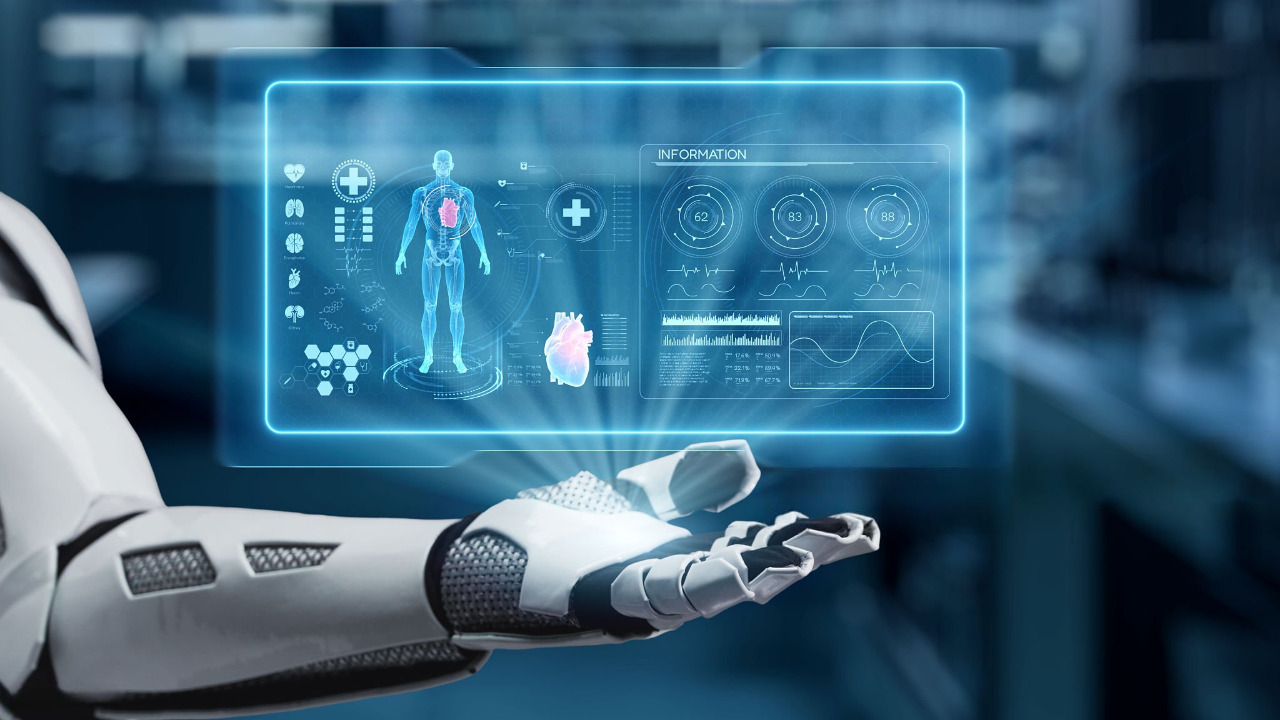
In a groundbreaking move, the UK is set to become the first country to implement an AI-driven early warning system across its National Health Service (NHS). This initiative aims to proactively identify potential patient safety concerns by analysing real-time hospital data, enabling swift interventions before issues escalate.
The system, part of the government’s 10-Year Health Plan, will initially focus on maternity services. From November, it will monitor indicators such as stillbirth rates, neonatal deaths, and brain injuries, alerting the Care Quality Commission (CQC) to trigger immediate investigations when anomalies are detected. Health and Social Care Secretary Wes Streeting emphasised that even a single safety lapse is unacceptable, highlighting the importance of this technology in preventing harm.
While the AI system promises enhanced patient safety, some healthcare professionals caution that technological advancements should be complemented by increased staffing levels to ensure comprehensive care. Nonetheless, the integration of AI is seen as a significant step towards modernising the NHS, improving efficiency, and fostering a culture of transparency and accountability.
This pioneering approach positions the UK at the forefront of healthcare innovation, setting a global precedent for the use of AI in safeguarding patient well-being.
🔴 Data Privacy Breaches and Patient Harm Liability
The AI system’s handling of sensitive patient data creates a risk of violating GDPR and healthcare privacy regulations. Failure of the AI to accurately detect safety concerns or issuing false alerts could lead to patient harm, triggering malpractice lawsuits and regulatory fines. Determining liability when AI influences clinical decisions remains legally complex, increasing exposure to costly litigation.
🟡 Algorithmic Bias and Accountability Gaps
With pattern recognition emerging as an increasing problem, some patient groups may receive unequal care, raising potential discrimination claims. The lack of transparency in AI decision-making complicates responsibility allocation between the NHS, AI developers, and regulators. Additionally, inadequate staff training on AI use may lead to misuse or over-reliance on alerts, increasing the risk of legal disputes if patient outcomes are compromised.
🟡 Regulatory Compliance and Cybersecurity Challenges
The NHS must maintain compliance with healthcare regulations, medical device standards, and data-sharing agreements specific to AI deployment. Insufficient cybersecurity measures could expose sensitive data, attracting regulatory scrutiny. Unclear contractual responsibilities around AI errors may lead to disputes between involved parties.
🟢 Government Backing and Established Healthcare Governance
Strong government endorsement and existing NHS compliance structures provide a solid legal foundation for AI implementation. Continuous monitoring, transparency protocols, and clear escalation procedures are in place to mitigate risks. This pioneering initiative also paves the way for setting legal precedents in AI-driven healthcare.
Brain Meets Byte: The World’s First Human–Neuron Computer
Scientists in Cambridge have developed CL1, the world’s first biological computer that combines human brain cells with traditional silicon chips. Unlike regular computers made entirely of metal and circuits, CL1 uses about 200,000 neurons grown from human stem cells. These neurons are placed on a tiny silicon chip, creating a hybrid system that processes information more like a living brain.
What makes CL1 special is its ability to learn and adapt. In tests, it played the video game Pong, responding to the game’s challenges and improving over time. Because it uses living cells, CL1 is much more energy-efficient than typical computers, using far less power.
This technology could change how we study the brain and develop medicines. Researchers can watch how neurons react to different drugs in real time, speeding up medical research.
However, there are challenges. The neurons require a continuous supply of nutrients and have a limited lifespan. Also, transferring memories or information between these biological computers is still difficult. Ethical questions about whether such systems could develop consciousness are being discussed as well.
Despite these hurdles, CL1 marks a groundbreaking step toward merging biology with technology, offering exciting possibilities for future computing.
🔴 Ethical Use of Human Brain Cells and Potential Consciousness
CL1’s use of human-derived brain cells raises profound ethical and legal concerns. If the system exhibits signs of consciousness or sentience, it could challenge existing legal frameworks on the treatment of sentient lifeforms. Use of human stem cells must comply with strict bioethics laws, and failure to obtain proper donor consent or adhere to tissue handling regulations could lead to legal sanctions and reputational damage.
🟡 Data Privacy Risks from Human-Derived Neural Data
If neural tissues are traceable to donors, data from CL1 may fall under GDPR or HIPAA protections. Even anonymized biological data can potentially be re-identified, posing privacy compliance risks. Mishandling or unauthorized sharing of neural reaction data could result in significant regulatory fines and reputational loss.
🟡 Lack of Regulatory Framework for Biohybrid Intelligence
CL1 occupies a legal grey zone between biotechnology and AI. Current laws do not adequately address systems that merge living cells with computational hardware. The absence of tailored regulation increases uncertainty and future legal exposure, particularly as governments debate AI consciousness and human-machine rights boundaries.
🟢 Potential for Medical Innovation Within Ethical Oversight
When developed under strict ethical and legal governance, CL1 can accelerate drug testing and brain research in ways compliant with research laws. Institutional review boards and existing stem cell research frameworks can provide oversight. If carefully regulated, CL1 could help establish new legal standards for bio-computing.